Home Routes Sustainable Travel Eco Stays Pack Light Blog About Contact
🎒 The ultralight philosophy

Pack Light.
Go Further.

The complete Style Runway Concept guide to ultralight backpacking — interactive gear checker, weight calculator, eco-material recommendations, and the mindset shift that changes everything.

Interactive Pack Weight Checker

Click items to add them to your pack. Watch your baseweight build in real time.

Ultralight backpack (35L)0.95 kg
Sleeping bag (synthetic 3-season)0.45 kg
Tent / tarp shelter0.55 kg
Sleeping pad (foam)0.12 kg
Titanium mug / pot0.08 kg
Alcohol stove + fuel0.06 kg
Water filter (squeeze)0.06 kg
1L collapsible water bottle0.09 kg
Clothing: 3 merino layers0.38 kg
Rain jacket (ultralight)0.18 kg
Hiking shoes / trail runners0.24 kg
Hiking boots (waterproof)0.35 kg
Headlamp (rechargeable)0.04 kg
First aid kit (minimal)0.07 kg
Navigation: map + compass0.05 kg
Smartphone (offline only)0.14 kg
Ultralight solar panel0.09 kg
Powerbank (10,000mAh)0.15 kg

Your Current Pack

1.37
kg baseweight
🌿 Ultralight!

Target: under 7kg baseweight for long-distance
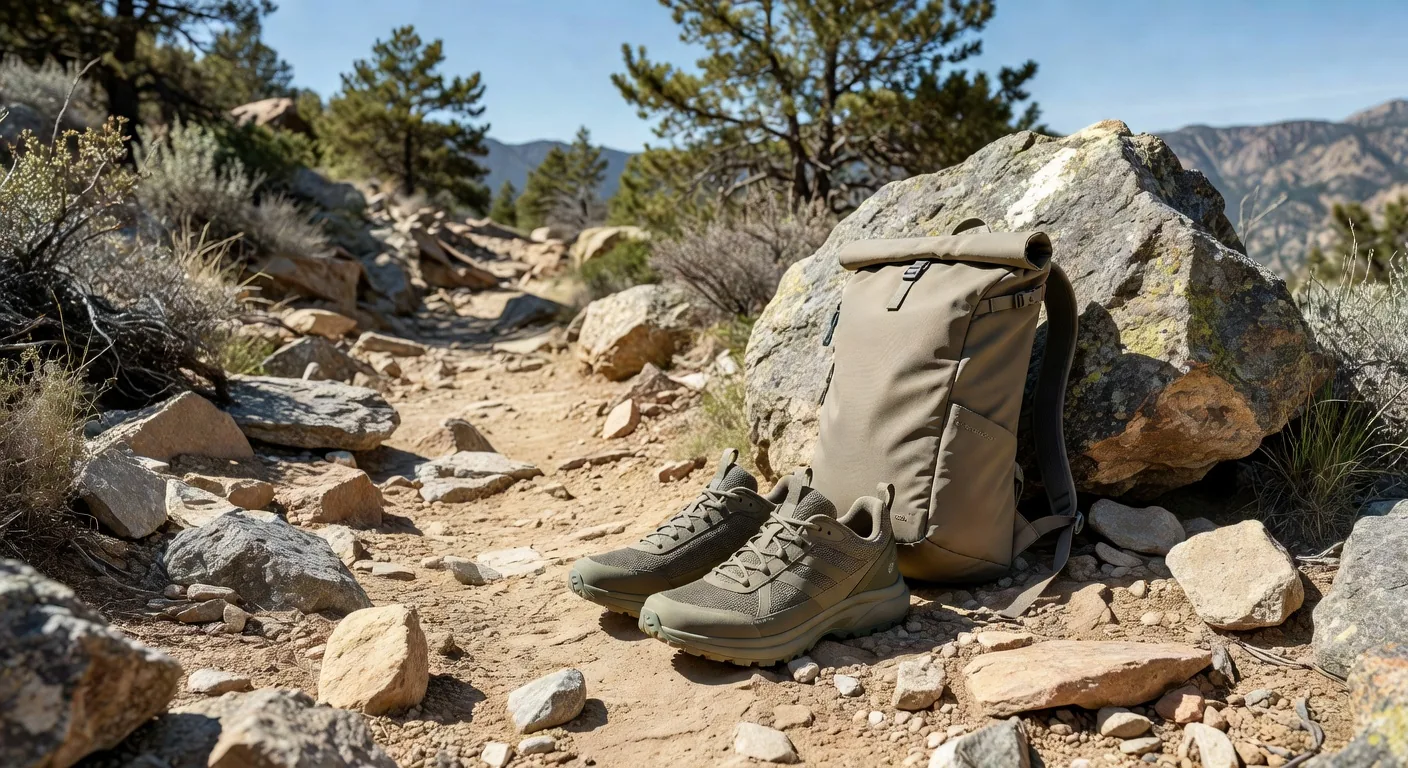
Lightweight hiking gear laid out for inspection

Every gram has to earn its place.

Ultralight packing is not about suffering — it's about precision. Gear that's lighter is often better-made, more durable, and more sustainably sourced. The heavy stuff is usually the unnecessary stuff.

Our gear review framework prioritizes longevity, repairability, and ethical manufacturing over brand names or hype. A $15 titanium mug outperforms a $120 branded "adventure kit" every time.

  • Can it be repaired in the field with basic tools?
  • Does it serve more than one function?
  • Is it made from sustainable or recycled material?
  • Does it have a resale or rental market?
  • Will it last 1,000+ days of active use?
Browse Gear Tables

Style Runway Concept-approved gear list

Every item tested in the field and assessed for weight, sustainability, and value.

Item
Weight
Eco Rating
Score
Tarp shelter (silnylon 2.5×3m)Essential
430g
Recycled nylon
★★★★★
Down sleeping bag — ethically sourced
680g
RDS certified
★★★★☆
Foam sleeping pad (Z-lite)Essential
120g
EVA foam, no off-gas
★★★★★
Ultralight bivy sack
185g
Recycled polyester
★★★★☆
Titanium mug 450mlEssential
81g
Lifetime durability
★★★★★
Alcohol stove (DIY cat food)
12g
Repurposed metal
★★★★★
Squeeze water filterEssential
59g
Eliminates plastic bottles
★★★★★
Collapsible silicone bowl
42g
Food-grade silicone
★★★★☆
Long spoon (titanium)
18g
Lifetime durability
★★★★★
Merino wool base layerEssential
150g
ZQ Merino certified
★★★★★
Lightweight fleece
220g
Recycled polyester
★★★★☆
Ultralight wind/rain shell
180g
Bluesign certified
★★★★☆
Merino hiking socks (×2 pairs)
100g
ZQ Merino certified
★★★★★
Paper topo mapEssential
40g
No electronics needed
★★★★★
Baseplate compass
25g
No battery required
★★★★★
Offline GPS app (phone)
0g (on phone)
Eliminates GPS device
★★★★☆
Solid shampoo barEssential
55g
Zero plastic, biodegradable
★★★★★
Bamboo toothbrush
18g
Compostable handle
★★★★★
Trowel (for cat holes)
30g
LNT waste management
★★★★☆
Biodegradable soap leaves
15g
100% biodegradable
★★★★★

Six rules for packing less

Learned over thousands of kilometers of trail and tested by our community.

01

The "What If" Audit

For every item, ask: "What is the worst thing that happens if I don't have this?" If the answer is mild discomfort — leave it behind.

02

One Function = One Strike

Any item that serves only one purpose is a candidate for elimination. Every piece in your pack should earn its weight by serving multiple roles.

03

The 300g Clothing Rule

Your entire clothing system — excluding what you're wearing — should weigh under 300g. Merino wool, packability, and layering are the tools.

04

Big Three First

Focus weight savings on the three heaviest items: shelter, sleep system, and backpack. Shaving 200g from each beats cutting 50 small items.

05

Buy Once, Buy Right

Cheap gear that breaks on day 3 costs more — in money, waste, and trail stress. One $90 titanium pot outlasts ten $12 plastic versions.

06

Borrow, Rent, Resell

Don't buy gear for a single trip. Use our community gear swap, rent locally at the trailhead, or borrow from the Style Runway Concept gear library.

Common questions about packing light

The questions we hear most from first-time minimalist travelers.

What is a good baseweight target for beginners?+
For most 3-season hiking, aim for under 9kg total weight (with food and water). Baseweight — everything except consumables — should ideally be under 6kg. Experienced ultralighters get this under 3kg, but 6kg is a healthy first goal.
Is ultralight gear always expensive?+
No. Many of the best ultralight choices are the cheapest: a DIY alcohol stove from a cat food tin, a foam sleeping pad, and a secondhand merino shirt. Smart buying beats expensive buying every time.
How do I handle cold weather with minimal gear?+
Layering is everything. A merino base, insulating mid-layer, and windproof shell cover most conditions below -5°C when combined with a quality sleeping bag and a good understanding of shelter siting to block wind.
Can I pack light for a 60-day trip?+
Yes — pack weight doesn't increase with trip length, only food weight does. For a 60-day trip, you'd carry 3-5 days of food and resupply regularly. Our route pages include detailed resupply logistics for every listed trail.
How do I reduce pack weight sustainably?+
Start by removing items, not replacing them. Then replace only what you truly need with lighter, multi-purpose, durable alternatives. Prioritize secondhand, recycled-material, and repairable gear over new fast-outdoor gear.

Community Gear Swap

Buy, sell, and donate used ultralight gear within our community of 38,000+ responsible travelers. No new production, no waste.

Pack Audit Service

Submit your current gear list and one of our ultralight specialists will review it, identify weight savings, and suggest eco-friendly alternatives — free.